Thursday, February 24, 2011

New Evidence of Fracture Risk From Bone Drugs


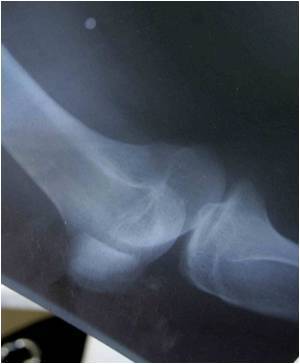
There is new evidence that long-term use of the most widely prescribed bone loss drugs may increase the risk for uncommon but serious femur (thigh bone) fractures. In an analysis involving more than 200,000 postmenopausal women, those who took oral bisphosphonates for more than five years were more than twice as likely to experience the fractures as women who took the drugs only briefly. But the fractures were still quite rare, occurring in about one in 1,000 women who took the drugs for five years or more, a study researcher tells WebMD.

bone loss drugs may increase the risk

"People with a high risk for osteoporosis-related fractures should not stop taking these drugs because, on average, the benefits will far outweigh the risks," says Laura Y. Park-Wyllie, PharmD, of the University of Toronto's Institute for Clinical Evaluative Sciences. "But long-term use of these drugs may warrant reconsideration in people who have a relatively low fracture risk." The study appears in the Feb. 23 issue of the Journal of the American Medical Association.
Popularity of Bisphosphonates About 50% of women over the age of 50 will suffer a fracture related to bone loss, and one in five patients who have such fractures will die within a year, recent studies suggest. 
Millions of Americans take bisphosphonates like Actonel, Atelvia, Boniva, and Fosamax to prevent osteoporosis-related fractures. The drugs work well, reducing the risk of hip, spine, and other common fractures associated with weakened bones. But anecdotal reports of a possible link between long-term use of bisphosphonates and the rare femur fractures began surfacing several years ago.

Last fall, the FDA announced that it would require label changes on bisphosphonates to warn of a "possible risk of atypical thigh bone fracture" in long-term users. "While it is not clear whether bisphosphonates are the cause, atypical femur fractures ... have been predominantly reported in patients taking bisphosphonates," FDA officials noted in a news release issued at the time.

In the newly published study, Park-Wyllie and colleagues identified 205,466 women in their late 60s and older who started therapy with an oral bisphosphonate between 2002 and 2008.
The women were followed until the spring of 2009, during which time 716 were hospitalized for thigh bone fractures. These cases were matched with almost 3,600 women in the group who did not suffer the thigh-related fractures. Women who took bisphosphonates for five years or longer were found to have a 2.7-fold greater risk for the fractures than women who took them for less than 100 days.
A secondary analysis found that women who took a bisphosphonate for three or more years had about a 24% lower risk of osteoporosis-related fractures than women who took the drugs for less than 100 days. The researchers concluded that some long-term bisphosphonate users may benefit from a "drug holiday" -- stopping the drugs for a while and then restarting -- but Park-Wyllie says this has not been studied.

Saturday, February 19, 2011

Brain-Computer Interfaces Taken To The Next Phase

You may have heard of virtual keyboards controlled by thought, brain-powered wheelchairs, and neuro-prosthetic limbs. But powering these machines can be downright tiring, a fact that prevents the technology from being of much use to people with disabilities, among others. Professor Jose del R. Millan and his team at the Ecole Polytechnique Federale de Lausanne (EPFL) in Switzerland have a solution: engineer the system so that it learns about its user, allows for periods of rest, and even multitasking.

heard of virtual keyboards controlled by though


In a typical brain-computer interface (BCI) set-up, users can send one of three commands - left, right, or no-command. No-command is the static state between left and right and is necessary for a brain-powered wheelchair to continue going straight, for example, or to stay put in front of a specific target. But it turns out that no-command is very taxing to maintain and requires extreme concentration. After about an hour, most users are spent. Not much help if you need to maneuver that wheelchair through an airport.


In an ongoing study demonstrated by Millán and doctoral student Michele Tavella at the AAAS 2011 Annual Meeting in Washington, D.C., the scientists hook volunteers up to BCI and ask them to read, speak, or read aloud while delivering as many left and right commands as possible or delivering a no-command. By using statistical analysis programmed by the scientists, Millán's BCI can distinguish between left and right commands and learn when each subject is sending one of these versus a no-command. In other words, the machine learns to read the subject's mental intention. The result is that users can mentally relax and also execute secondary tasks while controlling the BCI.


The so-called Shared Control approach to facilitating human-robot interactions employs image sensors and image-processing to avoid obstacles. According to Millán, however, Shared Control isn't enough to let an operator to rest or concentrate on more than one command at once, limiting long-term use.
Millán's new work complements research on Shared Control and makes multitasking a reality while at the same time allows users to catch a break. His trick is in decoding the signals coming from EEG readings on the scalp - readings that represent the activity of millions of neurons and have notoriously low resolution. By incorporating statistical analysis, or probability theory, his BCI allows for both targeted control - maneuvering around an obstacle - and more precise tasks, such as staying on a target. It also makes it easier to give simple commands like "go straight" that need to be executed over longer periods of time (think back to that airport) without having to focus on giving the same command over and over again.


It will be a while before this cutting-edge technology makes the move from lab to production line, but Millán's prototypes are the first working models of their kind to use probability theory to make BCIs easier to use over time. His next step is to combine this new level of sophistication with Shared Control in an ongoing effort to take BCI to the next level, necessary for widespread use. Further advancements, such as finer grained interpretation of cognitive information, are being developed in collaboration with the European project for Tools for Brain Computer. The multinational project is headed by Professor Millán and has moved into the clinical testing phase for several BCIs.

Tuesday, February 15, 2011

Mild asthma might not need to be treated daily

Mild asthma might not need to be treated every day, say US researchers.

A "preventer" inhaler containing corticosteroid is part of many asthma sufferers' daily routine, but it can result in reduced growth and children often forget to take it. This study, published in The Lancet, shows that it is possible to manage the symptoms without a daily dose. Asthma UK said daily treatment was still the most effective, and concerned patients should speak to their doctor. The disease causes inflammation of the tubes which carry air to and from the lungs. If they become irritated, then the airways narrow, sticky mucus is produced and breathing becomes difficult. 

Inhalers might not be needed in mild asthma
More than 5 million people in the UK are being treated for the illness and Asthma UK estimates 1.1 million have asthma which is mild and under control. Missing doses Researchers at the University of Arizona believe there is a problem with the way the disease is managed. Two types of inhalers are used: "relievers" which are used when breathing is difficult and "preventers" which are taken every morning and evening. However, the researchers said that many children stop taking the daily medication if their symptoms disappear.
Professor Fernando Martinez, from the University of Arizona, told the BBC: "If you have a daily drug and a very significant number are not taking it, then that tells you it's a losing strategy." "We want to find something which is more child- and parent-friendly as well as avoid the growth effect." In all, 288 children and teenagers with mild and persistent asthma took part in the 44-week trial. The study showed that taking corticosteroids twice a day was still the most effective treatment, However, those taking the medication grew by 1.1cm (0.5in) less than children not taking the drug during the trial.
Potent combination
Importantly, asthma was also managed without daily treatment if the corticosteroids were combined with the "reliever" inhaler. This eliminated the effect on growth and the researchers say it would be an easier form of treatment for children. Further clinical trials will be needed to verify the results. Professor Martinez said: "I'm continuing to recommend daily corticosteroid to my patients, but I know some of them will not take it." Asthma UK said the study confirmed that daily inhaled corticosteroids were the most effective treatment.
Dr Samantha Walker, executive director of research and policy at Asthma UK, said: "We know that long-term adherence to medicine treatment plans can be difficult, particularly when a child's asthma seems to be under control. "The use of combined 'preventer' and 'reliever' medicines as rescue therapy appears to be superior to 'reliever' inhalers alone and offers a new 'step-down' approach to the management of mild, well-controlled asthma in children and young people who find it difficult to adhere to long-term daily treatment with inhaled steroids. "Many parents have concerns about their child's steroid intake. However, research shows that children on low daily doses of 'preventer' medicines show no difference in growth. At higher doses, the picture is less clear. For all children, treatment plans should be reviewed at least every six months. "If you have any concerns about your asthma treatment, Asthma UK recommends you speak to your doctor or asthma nurse."

Tuesday, February 8, 2011

Starting Solid Foods Earlier Linked to Obesity Risk

Babies raised on formula who start eating solid foods before they are 4 months old may be more likely to become obese than those who start later, suggests a new study. The findings support U.S. guidelines that say parents should wait until babies are between 4 and 6 months old to start feeding them solid foods, said Dr. Susanna Huh, one of the study's lead authors from Children's Hospital Boston. "Adhering to those guidelines could reduce the risk of obesity in childhood," she told Reuters Health.

Solid Foods Earlier Linked to Obesity

Previous studies have shown conflicting results on whether the age at which babies start eating solid foods is related to their chance of being obese a few years down the line. Especially among babies who are raised on formula, the transition to solid foods might mean a jump in the amount of calories they are consuming - before parents have learned how much energy their baby really needs. In the current study, Huh and her colleagues tracked about 850 babies and their mothers over 3 years. When babies were 6 months old, researchers asked the moms whether they had breastfed  and if so, for how long - and when they started feeding their babies solid foods, such as cereal, fruit, and dairy products.

When kids were 3 years old, the researchers measured their height and weight to determine which kids were obese, defined as being in the highest 5 percent of their age and gender for body mass index (BMI), a measure of the relationship between weight and height. For babies who were breastfed for at least four months, the age that they first received solid food - before 4 months, at 4 or 5 months, or 6 months or later  had no effect on whether they were obese at 3 years. Regardless of when they started eating solid foods, breastfed babies in the study had a one in 14 chance of being obese as preschoolers. But the findings, published in the journal Pediatrics, were different among babies who were formula-fed from the beginning, or who stopped breastfeeding before they were 4 months old. Those babies had a one in four chance of being obese at age 3 if they started eating solid foods before they were 4 months old. If parents waited until between 4 and 5 months, the kids' chances of being obese were one in 20.

The chance of being obese increased again if babies didn't start eating solid foods until they were at least 6 months old, but there were too few of those babies for the authors to make a firm conclusion about the risk of waiting longer to feed a baby solid foods. Both in the U.S. and around the world, doctors have been promoting the importance of breastfeeding in the first 4 to 6 months of life. However, in the U.S. about half of babies are breastfed for less than 4 months, or not breastfed at all, according to the Centers for Disease Control and Prevention. Breastfeeding itself cuts down on a baby's risk of being obese. For those babies who are raised on formula, it seems to be especially important that parents wait until babies are at least four months old to feed them solid foods, researchers say.

While parents may have more difficulty determining the right amount to feed a baby who isn't breastfeeding, it could also be that "the way that infants feed and learn to feed influences their obesity risk," Huh said. Dr. David McCormick, a pediatrician at The University of Texas Medical Branch at Galveston, said that the most common problem he sees is parents adding cereal to formula without thinking about the extra calories they are feeding their baby. "I think that's what a lot of people are doing unknowingly, thinking that the baby will be healthier or grow faster," McCormick, who was not involved in the current study, told Reuters Health. "That's exactly how (adults) get overweight," he said. "They eat a little bit more than they should every day."

The study shows that talking to parents about when to add solid foods to a baby's diet is something that pediatricians should be doing on a regular basis, McCormick said. Giving solid foods too early, whether together with formula or separately, "is going to set your child up for obesity."


Friday, February 4, 2011

Global obesity rates have doubled since 1980


Obesity rates worldwide have doubled in the last three decades even as blood pressure and cholesterol levels have dropped, new research says. People in Pacific Island nations like American Samoa are the heaviest, the study shows. Among developed countries, Americans are the fattest and the Japanese are the slimmest. "Being obese is no longer just a Western problem," said Majid Ezzati, a professor of public health at Imperial College London, one of the study authors. In 1980, about 5 percent of men and 8 percent of women worldwide were obese. By 2008, the rates were nearly 10 percent for men and 14 percent for women. That means 205 million men and 297 million women weighed in as obese. Another 1.5 billion adults were overweight, according to the study. Though richer countries did a better job of keeping blood pressure and cholesterol levels under control, researchers said people nearly everywhere are piling on the pounds, except in a few places including central Africa and South Asia. The studies were published Friday in the medical journal, Lancet.

Obesity rates have doubled


The research confirms earlier trends about mounting obesity and the three papers provide the most comprehensive, recent global look at body mass index, cholesterol and blood pressure. Body mass index is a measurement based on weight and height. 'Global tsunami of cardiovascular disease' Experts warned the increasing numbers of obese people could lead to a "global tsunami of cardiovascular disease." Obesity is also linked to higher rates of cancer, diabetes and is estimated to cause about 3 million deaths worldwide every year. In an accompanying commentary, Sonia Anand and Salim Yusuf of McMaster University in Hamilton, Ontario said the global forecast for heart disease was "dismal and comprises a population emergency that will cost tens of millions of preventable deaths" unless countries take quick action. Even without the encroaching empire of Western fast food, Ezzati said waistlines are already expanding in parts of Latin America, the Middle East, and Western and Southern Africa. Among rich countries, the U.S. had the highest average body mass Index, at 28. Rates were the lowest in Japan, ranging between 22 for women and 24 for men. Women in Belgium, France, Finland, Italy and Switzerland also stayed trim, with virtually no change in their BMI. People with a BMI of 18-24 are considered to have a healthy weight. Those with a BMI of 25 or above are overweight and people with a BMI of 30 or more are classified as obese. Two other studies also published in the Lancet on Friday surveyed blood pressure rates and cholesterol levels. Western countries including Canada, South Korea and the U.S. had some of the lowest blood pressure rates thanks to medication, while rates are highest in Portugal, Finland and Norway. Cholesterol levels were highest in countries like Iceland and Germany and lowest in Africa.

Ezzati said national measures like reducing salt content in prepared foods or banning transfats could make a big dent in lowering blood pressure and cholesterol rates. He added that it was uncertain if the world's obesity rates had peaked and predicted other health complications would soon follow. "We don't know how much worse the obesity problem will get," he said. "While we can manage blood pressure and cholesterol with medication, diabetes will be a lot harder."

Monday, January 31, 2011

Easy Ways to Eat 5 Fruits and Veggies a Day

Over the past few years, we’ve been bombarded with warnings about rising obesity, cancer and diabetes rates. Nearly every report makes a strong argument for the link between disease and diet. Government guidelines are advising us to eat a minimum of five portions of fruit and vegetables every day even more if we can manage, since the consensus is that you can’t eat too many vegetables. The trouble is, for many of us eating even five portions can seem like a serious challenge. When we work long hours, we naturally reach for convenience foods, almost all of which are carb-based.

minimum of five portions of fruit and vegetables every day even
Cooking at home is a lost art, with the sound of something sizzling on the stove being replaced by the beep of the microwave. This article will try to address this problem and offer some quick, easy and delicious ways to increase your daily intake of fruit and vegetables. The importance of plant foods in your diet can’t be overemphasized; they make you look and feel better and provide you with more steady energy throughout the day than convenience food can. Add a few of these tips into your daily routine, and you’ll be doing your body a huge favor. Remember, one portion is considered to be about 80 grams.

Smoothies Buying an all-natural (100 percent fruit, no sugar added) smoothie is an easy way to boost your fruit intake. Some companies even sell vegetable smoothies. But if you’re prepared to spend 10 minutes in the kitchen, you can make a smoothie that will give you five fruit portions in one gloriously sweet hit. Two kiwis, two bananas, a handful of grapes, a handful of strawberries, and 250 ml of pure pressed apple or orange juice will do the trick. This is a full breakfast or post-workout energy boost, and if you want to add some whey protein or spirulina powder into the mix, all the better. The beauty of a well-built smoothie is that the wide variety of colors of fruit means you’re getting a wide variety of nutrients: Vitamins A, B2, B6, C, E, folate, niacin, potassium, not to mention dietary fiber. You can just as easily make a vegetable smoothie as long as you use fresh, raw ingredients. If you throw some tomato juice into a vegetable smoothie, make sure that it’s not full of sugar or salt – common hidden ingredients in commercial vegetable juices.

Incorporate vegetables into your snacking

Try substituting something healthy for your mid-morning coffee break snack. Raw carrots, celery and other crunchy vegetables will be just as filling, and will help you avoid the drop in energy that comes after eating a high-sugar snack. Consider this: A chocolate chip muffin can contain around 700 calories. For the average man, this amounts to nearly one third of the recommended daily caloric intake, and will cause a monumental sugar crash later on. Instead of eating something that has roughly the nutritional value of an old shoe, replace it with a handful of fresh vegetables. An average carrot may contain as few as 32 calories, celery as little as 8. You could eat a pound of vegetables and still have consumed far fewer calories than you would have with that muffin. If the veggies themselves are too boring, add some hummus dip for some protein or a low-fat yogurt-based dip, but skip the dollop of ranch dressing.

Add fruit or berries to your breakfast

Adding something extra to your breakfast is another really quick and simple way to increase your fruit intake. If you have yogurt or cereal at breakfast, sprinkle a handful of fruit into the bowl. Raspberries, blackberries and blueberries taste great and they‘re packed with nutrients. Fresh berries can be expensive, but you can just as easily thaw a handful of frozen berries in the microwave and add them to your cereal. Adding a chopped banana will provide you with a little energy boost at the start of the day. The list of potential fruits is endless, and we don’t want to add all of them here, but if you want to keep things interesting and give yourself a range of nutrients, switch it up every so often.

Double up on servings

At lunch and dinner, try increasing the amount of vegetables you put on your plate. If it sounds obvious, it is. Many people put far fewer vegetables on their plate than the standard portion size of 80 grams. To make sure you’re getting your five a day, try to have two different types of vegetables in a meal. This has multiple benefits: by eating a larger amount of vegetables, you will crowd out other foods on your plate, like potatoes and meat, and chances are you eat plenty of those anyway. Reducing the higher-calorie foods (but not eliminating them altogether) can help you lose weight in addition to improving your overall health. Forget the popular misconception that fresh vegetables are expensive. Compared to microwave meals and other processed goods, vegetables are surprisingly affordable, and frozen vegetables can go a very long way and last a very long time in your freezer without compromising their


Thursday, January 27, 2011

New Hope in Antiviral Therapy

In the recent studies, researchers have identified two functional gene variants in the inosine triphosphatase (ITPA) gene that protect patients with hepatitis C virus (HCD) against anemia. This new finding ensures completion of antiviral therapy and successful elimination of the virus. Findings of these studies appear in the February issue of Hepatology.

researchers have identified two functional gene variants in the inosine triphosphatas
Chronic HCV affects up to 170 million individuals worldwide and is a leading cause of end-stage liver disease. While HCV is curable with treatment of pegylated interferon (pegIFN) and ribavirin (RBV), many patients have difficulty tolerating these antiviral drugs. Prior studies have shown that 9% to 22% of patients enrolled in phase III trials of pegIFN plus RBV require modification of their dose due to hemolytic anemia brought on by the drugs. A reduction in RBV limits treatment efficacy, thus impacting the viral clearance success rate.

Alessandra Mangia, M.D., from Casa Sollievo della Sofferenza Hospital in Italy, and colleagues evaluated the association between ITPA variants and anemia in a cohort of 238 Caucasian patients treated with variable pegIFN and weight-based doses of RBV. The research team found that the ITPA variants were strongly and independently associated with protection from anemia, but did not provide an increase in sustained virological response.

"When anemia develops only four weeks after the start of treatment, physicians are required to immediately reduce ribavirin dosages. This early reduction will affect the overall duration of treatment which, with the combination of pegIFN and RBV, lasts 24 weeks for patients infected with HCV genotypes two and 3 (G2/3) and 48 weeks for patients with HCV genotype one (G1) infection. Currently, only the use of the drug erythropoietin (EPO)�an expensive drug that due to its high cost cannot be reimbursed in several countries�might prevent unsuccessful antiviral treatment in these cases," explained Dr. Mangia.

"Our findings demonstrated that ITPA variants are strongly associated with protection from week four anemia and help us in selecting in advance who will need early ribavirin dose reduction and possibly supportive EPO treatment. This may lead to a more rational use of economical resources and to an individualized use of supportive EPO treatment," concluded Dr. Mangia. "Patients with a genetic profile that included the two ITPA variants may be safely administered higher doses of RBV, increasing the likelihood of HCV elimination after treatment�an important finding given that to achieve viral clearance high dosages of RBV need to be used in the early phases of treatment."

A related study led by Fumitaka Suzuki, M.D., from Toranomon Hospital in Japan found similar results in its cohort of 61 Japanese patients with HCV. Patients in this study received a triple therapy of pegINF, RBV and the protease inhibitor, telaprevir. Dr. Suzuki and colleagues found that ITPA variants impacted blood levels; however a sustained virological response could be achieved with careful monitoring of anemia and prompt adjustment of RBV dose. The authors suggest that future investigation of the influence of ITPA gene variants on RBV-induced anemia are needed on larger scales and on patients of various ethnicities.

Monday, January 24, 2011

Red Blood Cell Hormone Modulates The Immune System


New research reveals that a hormone best known for stimulating the production of red blood cells can modulate the immune response. The study, published by Cell Press in the January 27th issue of the journal Immunity, finds that erythropoietin (EPO) has contrasting influences on infectious and inflammatory diseases and may be useful in the design of new therapeutic strategies. EPO is a cytokine hormone that stimulates the production of red blood cells by acting at EPO receptors (EPORs) on red blood cell precursors. Interestingly, other cell types also express EPORs. "It is clear that EPORs are present on immune cells, but the function of these receptors was completely unknown," says senior study author Dr. Guenter Weiss from Innsbruck Medical University in Austria. "We hypothesized that EPO might be able to modulate the immune system and could be of clinical relevance in certain diseases."


 stimulating the production of red blood cells can modulate the immune response
After showing that EPO inhibited induction of key pro-inflammatory genes, Dr. Weiss and colleagues examined the role of EPO-modulated immune cells in two mouse models of disease: systemic infection with Salmonella bacteria and chemically induced inflammation of the colon (colitis). In mice infected with Salmonella, EPO treatment was associated with reduced survival and impaired ability to clear the pathogen, neutralization of EPO production in the body promoted Salmonella elimination. This suggests that EPO reduces the ability of the immune system to fight off a systemic infection with intracellular bacteria such as Salmonella.

The researchers went on to show that in contrast to bacterial infection, EPO had a beneficial effect on the severity of colitis. EPO decreased the production of nuclear factor (NF)-B, a protein that is critical for inflammation and thereby reduced the formation of cytokines such as tumor necrosis factor alpha which are centrally involved in the pathogenesis of autoimmune colitis. This suggests that EPO may exert beneficial effects in non-infectious inflammatory diseases.

"Our results provide novel evidence that EPO acts as a potent anti-inflammatory immune modulator by specifically targeting (NF)-B-driven inflammatory pathways," concludes Manfred Nairz, first author of the paper. "Although high dose EPO treatment in humans may lead to a dangerous excess of red blood cells, EPO derivatives that do not influence red blood cell production have been developed and these could possibly serve as valuable therapeutic tools in treatment of pathologic inflammation."

Friday, January 21, 2011

High Physical Activity Enable Osteoarthritis People Walk Faster


Increased physical activity enables people with knee osteoarthritis to walk faster, says a research conducted by Northwestern University. "The more active people are, the faster they can walk," said Dorothy Dunlop, associate professor of medicine at Northwestern University Feinberg School of Medicine and lead author of the study


Enable Osteoarthritis People Walk Faster
"This is strong evidence that even a small increase in activity is related to better walking function. The bar for improvement isn't that high. This should motivate people to get moving, even if they have pain or stiffness." 


Federal guidelines recommend adults with arthritis should participate in at least 2.5 hours a week of moderate intensity, low-impact activity in sessions lasting 10 minutes or more. Even if people can't meet these levels, Dunlop said they should be as physically active as possible. 
The Osteoarthritis Initiative, an observational study, surveyed 2,500 participants with knee osteoarthritis. Participants filled out self-reported questionnaires about their physical activity at sites in Columbus, Ohio, Baltimore, Md., Providence, R.I., and Pittsburgh, Pa. 

Researchers divided participants into four physical activity groups, from lowest to highest, using a general activity score. In the lowest physical activity group, less than half, or 49 percent, walked fast enough to cross the street before the light changed. (Traffic lights generally allow a walking speed of four feet per second.) In the next three higher physical activity groups, 63 percent, 71 percent and 81 percent, respectively, walked fast enough to cross the street. 

Monday, January 17, 2011

Virus Might Fight If Armed With Bacterial Enzyme, Study Shows

New research shows that oncolytic viruses, which are engineered to destroy cancer cells, might be more effective in treating deadly brain tumors if equipped with an enzyme that helps them penetrate the tumor.

The enzyme, called chondroitinase, helps the cancer-killing virus clear its way through the thickets of protein molecules that fill space between cells and impede the virus's movement through the tumor, say researchers at the Ohio State University Comprehensive Cancer Center-Arthur G. James Cancer Hospital and Richard J. Solove Research Institute who conducted the study.

Brain Tumors Better Study Shows


When tested in animals transplanted with a human glioblastoma, the most common and deadly form of brain cancer, the enzyme-armed virus improved survival by 52 percent compared with controls and in some cases eliminated the tumor entirely. The findings were published online in the journal Clinical Cancer Research. "Our results show for the first time that an oncolytic virus with this enzyme can spread more effectively through the tumor and underscores the potential of using chondroitinases to enhance the capacity of oncolytic viruses to destroy cancer cells," says study leader Balveen Kaur, associate professor of neurological surgery.

The enzyme is derived from the intestinal bacteria called Proteus vulgaris. The enzyme removes sugar chains that branch from molecules called proteoglycans, which fill the narrow spaces between cells. By cutting away these branches, the enzyme clears a path that helps the virus spread through the tumor.

During this study, Kaur and her collaborators injected human glioblastoma cells under the skin of eight animals, and then, after tumors developed, treated the tumors with the enzyme-armed virus. These mice survived an average of 28 days, with two remaining tumor-free after 80 days. Control animals, treated with a virus that lacked the enzyme, survived 16 days.

In another experiment, mice with human gliobastomas transplanted into the brain survived 32 days versus 21 days for control animals, an improvement of 52 percent. Again, two animals lived more than 80 days and showed no trace of the tumor afterward. Additional studies showed that the enzyme-laden virus had penetrated tumors in the animals' brain significantly better than the enzyme-free control virus. "Overall, our results indicate that an oncolytic virus armed with this enzyme can have a significantly greater anticancer effect compared with a similar virus without the enzyme," Kaur says.

Funding from the National Institute for Neurological Disorders and Stroke supported this research.  Other researchers involved in this study were Nina Dmitrieva, Lianbo Yu, Mariano Viapiano and E. Antonio Chiocca of Ohio State University; Timothy P. Cripe of Cincinnati Children's Hospital Medical Center and the University of Cincinnati, and J. Glorioso of the University of Pittsburgh.

The Ohio State University Comprehensive Cancer Center - Arthur G. James Cancer Hospital and Richard J. Solove Research Institute (http://cancer.osu.edu) is one of only 40 Comprehensive Cancer Centers in the United States designated by the National Cancer Institute. Ranked by U.S. News & World Report among the top cancer hospitals in the nation, The James is the 205-bed adult patient-care component of the cancer program at The Ohio State University. The OSUCCC-James is one of only seven funded programs in the country approved by the NCI to conduct both Phase I and Phase II clinical trials.

 
Design by Free WordPress Themes | Bloggerized by Lasantha - Premium Blogger Themes | Macys Printable Coupons